The History of Shaving: How Men Have Removed Facial Hair Through the Ages
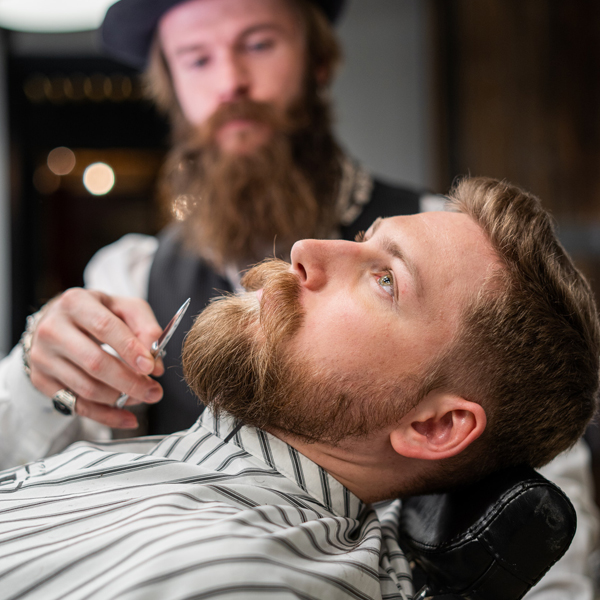
From stone and shells to the razorShaving has been part of human grooming for thousands of years. Long before modern razors, men removed facial hair with sharp stones, shells, and simple metal tools. Fashion also changed over time between full beards…
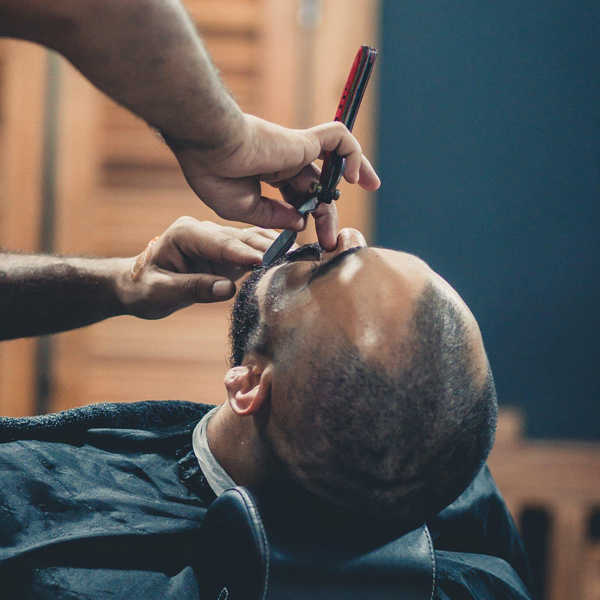
From stone and shells to the razor
Shaving has been part of human grooming for thousands of years. Long before modern razors, men removed facial hair with sharp stones, shells, and simple metal tools. Fashion also changed over time between full beards and clean-shaven faces.
The straight razor turned shaving into a ritual
As steelworking improved, traditional straight razors became more widespread. Shaving became more precise and, for many men, a regular ritual. Those who enjoy a traditional approach can choose the DOVO SHAVETTE 201 006 R.
The rise of the safety razor
Around the turn of the 20th century, razors with replaceable blades became increasingly popular. They were easier to use and required less maintenance than a traditional straight razor. The same basic principle is still popular today. A modern example is the MERKUR FUTUR.
Brush, shaving cream and aftercare
Classic wet shaving also includes proper preparation of the beard and skin. The MERKUR Solingen 138 001 shaving brush helps build and apply lather evenly. For shaving, you can use Beardburys shaving cream, followed by Beardburys After Shave balm.
A tradition that still has its place
Electric shavers and modern trimmers are fast and convenient, but classic wet shaving has never disappeared. For many men it remains an enjoyable ritual built around a quality tool, a sharp blade and proper skin preparation.